
Butterflies and Good-byes
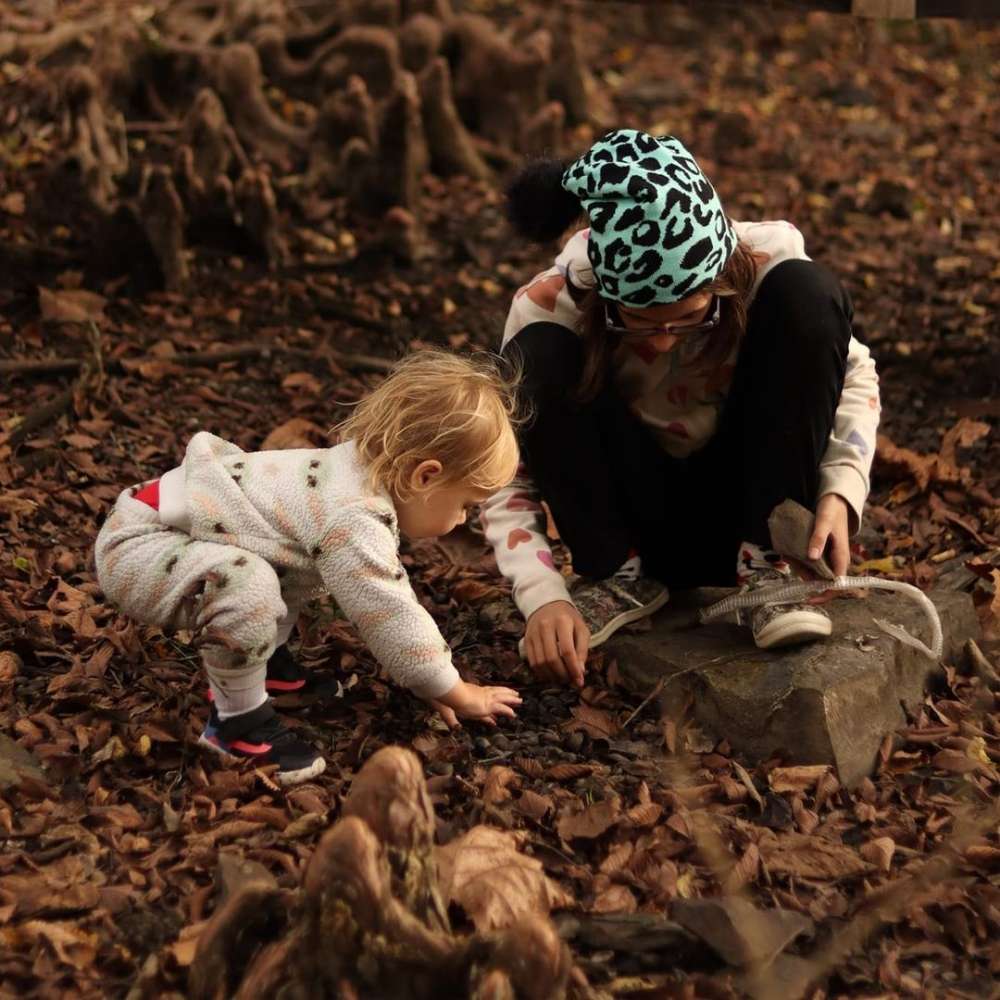
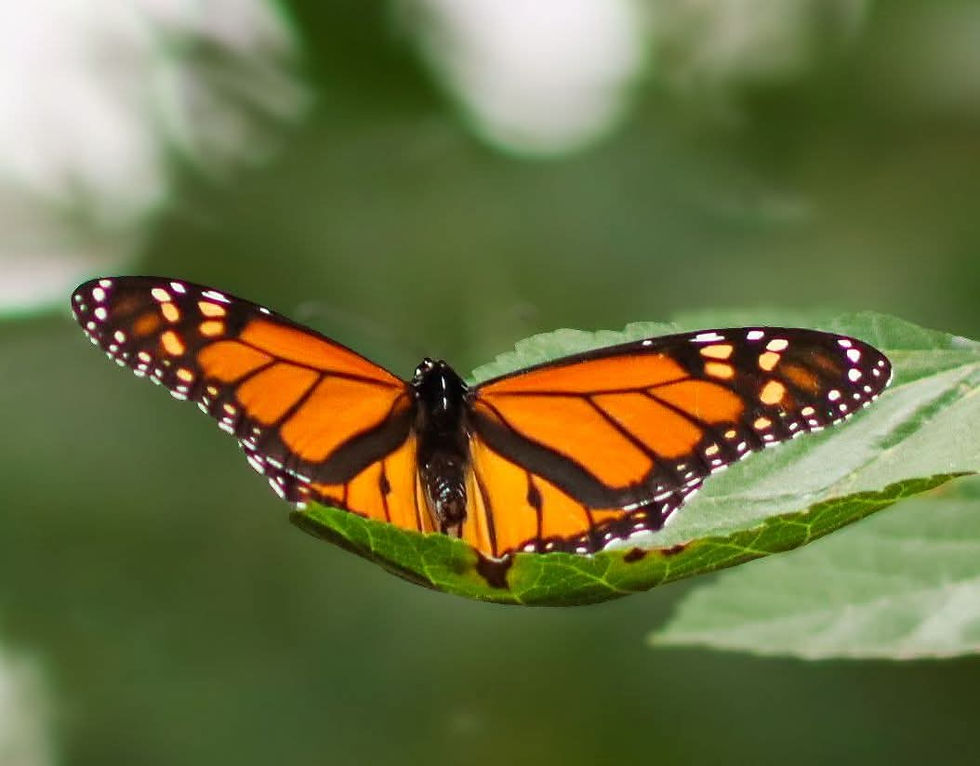
Every time a butterfly comes through the yard, one of my kids spots it before I do.
“Mom! A butterfly!”
Then everybody takes off after it.
They follow it through the grass, around the garden, and sometimes halfway across the yard before it disappears over the fence or lands somewhere they can’t reach.
They want to know what color it is, where it’s going, and whether it’ll let them get close.
And, because they’re kids, somebody usually wants to catch it.
Sometimes a net appears.
Sometimes they try using their hands.
There’s always at least one child insisting they’re going to be gentle while moving toward it with the speed and excitement of someone who is definitely not going to be gentle.
So I remind them.
Don’t grab its wings.
Give it some space.
Let it land before you rush toward it.
We’ve had this conversation more times than I can count, and I’m sure we’ll have it plenty more.
I understand why they want to catch it.
When children find something beautiful or interesting, their first instinct is often to hold it.
They want a closer look.
They want to show everyone else.
They want to keep it nearby long enough to figure it out.
Our house has seen plenty of rocks, feathers, pinecones, seedpods, and empty snail shells come through the door for that exact reason.
Their pockets are rarely empty after we’ve been outside.
Half the time, I don’t know what’s in there until I hear it bouncing around in the washing machine.
But a butterfly is different.
You can’t tuck one into your pocket and bring it home.
You can’t hold it tightly and expect it to stay the same.
Even the gentlest little hands can damage wings that weren’t meant to be handled.
So we follow instead.
We watch it move from flower to flower.
We try to stand still when it lands nearby, which is harder for children than it sounds.
Someone whispers even though nobody asked them to.
Someone else gets too excited, steps closer, and sends it flying again.
Then the chase starts all over.
Most of the time, the butterfly leaves before they’re ready.
It rises over the yard and disappears into the trees, and the kids stand there looking in the direction it went as if they might be able to call it back.
For a minute, they’re disappointed.
Then somebody notices a beetle, a bird, or something moving in the grass, and they’re off again.
I like watching that happen.
Not because I think every butterfly needs to become a serious lesson.
Most of the time, it’s simply a butterfly and a group of excited kids running through the yard after it.
That’s enough on its own.
But there is something about learning to enjoy a living thing without needing to keep it.
Children are used to collecting.
They find something they like and want to bring it home.
Honestly, adults aren’t that different.
We take pictures, buy souvenirs, save flowers, and fill shelves with reminders of places and moments we didn’t want to lose.
There’s nothing wrong with wanting to remember something.
Still, not everything can or should belong to us.
Sometimes the best we can do is stop for a minute, pay attention, and then let it continue on without us.
That idea has taken time for my kids to understand.
It probably takes time for all of us.
When they were smaller, “leave it where you found it” didn’t make much sense to them.
If they loved something, why wouldn’t they take it home?
If they found a flower, why not pick it?
If they saw a frog, why couldn’t it live in a bucket on the porch?
We’re still working on the frog part.
There have been plenty of temporary “frog houses” that were really plastic containers with grass, sticks, and far too much confidence.
There have been tears when I explained that the frog needed to go back where they found it.
There have also been frogs released with a full goodbye speech and promises to visit later.
They’re learning.
They’re learning that a wild thing already has a home, even when we can’t see it.
They’re learning that watching something closely doesn’t mean we get to interfere with it.
They’re learning that caring can look like stepping back.
I don’t think those ideas come naturally to most children.
They come through repetition.
Through the same reminders given over and over.
Through watching an insect fly away and realizing the moment wasn’t ruined just because it ended.
The butterfly was still beautiful.
They still got to see it.
They still have the story of chasing it through the yard.
Nothing was lost because they didn’t catch it.
That may be what I appreciate most about these little encounters.
They ask us to pay attention while something is here, because it won’t stay forever.
There’s no guarantee the butterfly will land where we can see it.
It may only pass through for a few seconds.
We might not get a picture.
We may never know what kind it was.
We still get the moment.
That’s something children understand better than we give them credit for.
They can be disappointed when a butterfly flies away, but they also don’t spend the rest of the day regretting it.
They move on.
They notice the next thing.
They stay open to whatever comes through the yard after that.
I’d like to be a little more like that.
I’d like to enjoy things without always trying to make them last longer than they’re meant.
To notice what’s in front of me without immediately thinking about how to save it, photograph it, or turn it into something else.
Some moments don’t need to be collected.
They just need to be lived.
The next time a butterfly comes through the yard, I know exactly what’ll happen.
Someone will yell.
Everyone will run.
At least one child will try to catch it, and I’ll remind them to be gentle and give it room.
We’ll follow it as long as it lets us.
Then it’ll fly away.
And, whether they realize it or not, my kids will have practiced loving something without needing to keep it.

Comments