Nature Inspired Adventures: How Kids Use Imagination to Transform Ordinary Moments
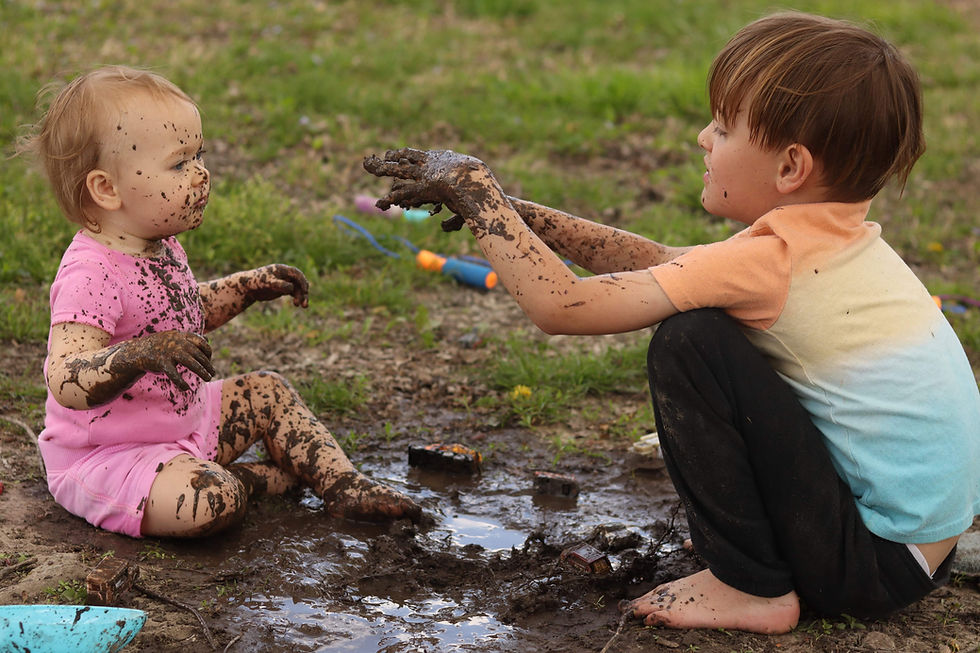
Watching children play can be one of the most rewarding experiences for a parent. I remember a particular afternoon when Chloe-Jean and Zane found a patch of mud. What followed was not just messy fun but a vivid display of imagination and discovery. They weren’t just playing with mud, they were exploring, learning, and creating a world of their own. This simple moment reminded me how children turn everyday things into magical adventures without any need for fancy toys or planned activities.
The Power of Simple Play
There are days when parents plan every detail: snacks packed, games prepared, and outings scheduled. Yet, sometimes, the best play happens spontaneously. Chloe-Jean was completely fascinated by the big clumps of mud that Zane kept peeling off his hands and tossing back onto the ground. Every time he pulled off another piece, she watched him like he was showing her something important.
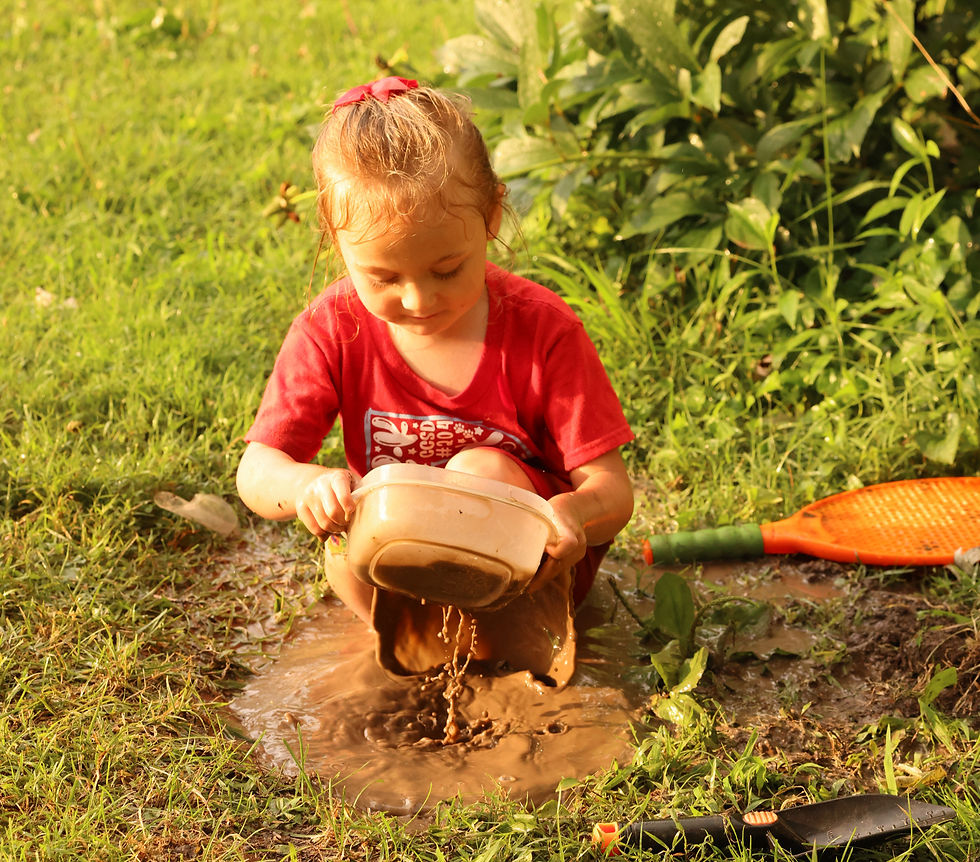
This kind of play doesn’t require instructions or adult intervention. The children figured it out as they went. One minute they were scooping mud with their hands. The next, they were making piles, pulling it apart, and showing each other what they’d found. The game had no name, but it made perfect sense to them.
Why Simple Play Matters
Encourages creativity: Children use their imagination to transform ordinary objects into tools for play.
Builds problem-solving skills: Figuring out what to do next helps develop critical thinking.
Promotes sensory exploration: Touching, squishing, and molding mud engages multiple senses.
Fosters social interaction: Sharing discoveries and ideas strengthens bonds between children.
How Children See the World Differently
To adults, mud might just be dirt and water mixed together. To Chloe-Jean and Zane, it was a treasure trove of possibilities. They touched it, pulled it apart, squished it between their fingers, and studied how it changed when they added water or pressed it together. Their clothes, hair, and faces were covered in mud, but none of that mattered. They were fully immersed in their adventure.
This ability to see potential in the ordinary is a hallmark of childhood. A stick becomes a sword or a magic wand. A hole in the ground turns into a pond, a kitchen, or a building site. Children don’t need elaborate setups to have fun, they create their own worlds from what’s around them.
Lessons for Parents from Muddy Play
As a parent, it’s tempting to organize every moment of a child’s day. But watching Chloe-Jean and Zane reminded me that sometimes the best thing we can do is step back and let them lead. Here are some takeaways from their mud-filled afternoon:
Allow unstructured time: Give children space to explore without a strict agenda.
Embrace messiness: Mud, paint, or dirt might be messy, but they are also part of learning.
Observe and support: Instead of directing play, watch and join in when invited.
Encourage outdoor play: Nature offers endless opportunities for discovery and creativity.
Value process over product: The fun is in the doing, not in creating a perfect outcome.
Creating More Moments Like This
You don’t need a special event or expensive toys to spark your child’s imagination. Here are some simple ideas to encourage creative play:
Visit a park or natural area and bring along basic items like buckets or shovels.
Let children explore textures by playing with sand, water, or leaves.
Provide open-ended materials such as sticks, stones, or fabric scraps.
Encourage storytelling about what they are building or imagining.
Join in their play occasionally to show interest and share the fun.
Why Imaginative Play Shapes Childhood
Imaginative play is more than just fun. It helps children develop language skills, emotional intelligence, and the ability to think abstractly. When kids create their own games and stories, they practice decision-making and learn to express themselves.
Chloe-Jean and Zane’s mud adventure was a perfect example of this. They didn’t need anyone to tell them what to do or how to play. Their curiosity and imagination guided them, turning a simple patch of mud into an afternoon full of joy and learning.
Final Thoughts
Watching children transform ordinary moments into extraordinary adventures is a reminder of the power of imagination. As parents, we can support this natural creativity by providing time, space, and freedom to explore. Sometimes, the best play doesn’t come from planned activities but from the simple joy of discovery.
Next time you see your child drawn to something as simple as mud or a stick, remember that they are not just playing, they are learning, growing, and creating memories that will last a lifetime. Let’s celebrate these moments and encourage our children to keep imagining and exploring the world around them.



Comments