
Knowing the Land Like an Old Friend
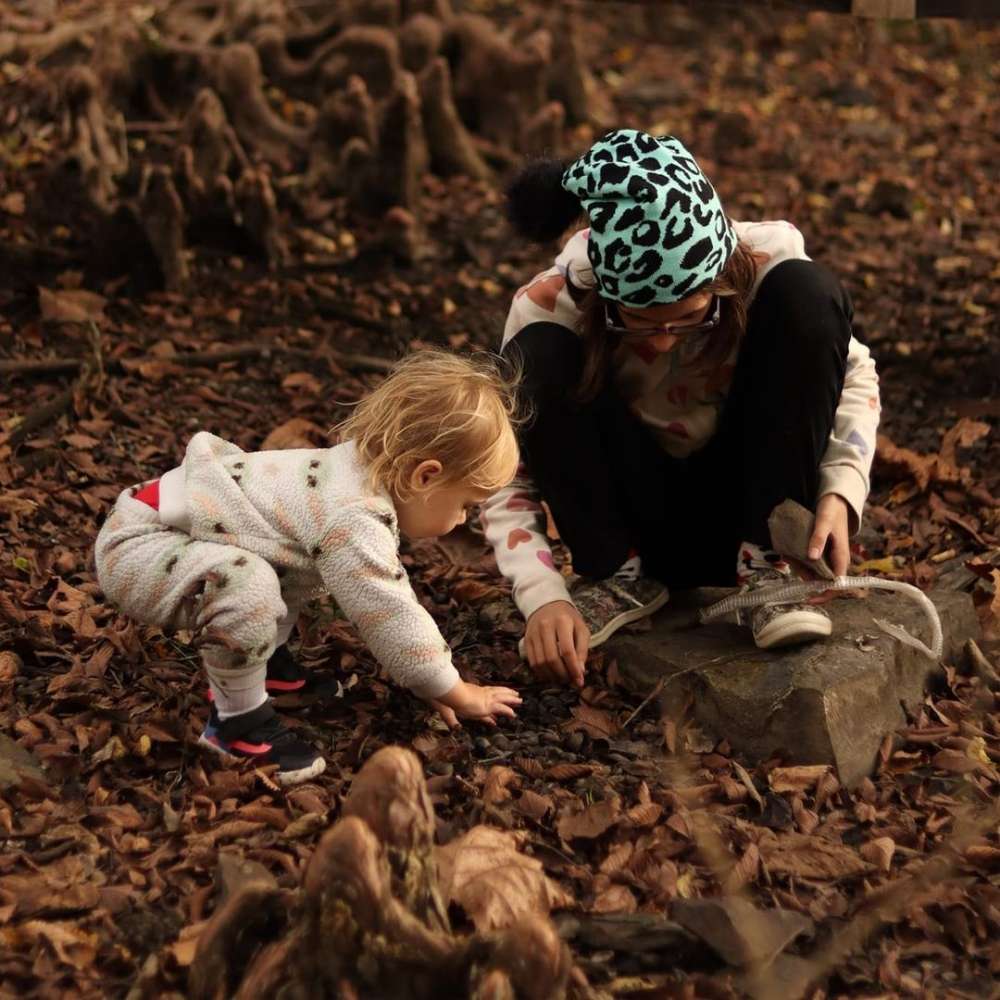
I hope my children grow up knowing the land like an old friend.
Not just knowing the names of a few trees or flowers, but knowing the little changes that happen throughout the year because they’ve spent enough time outside to notice them.
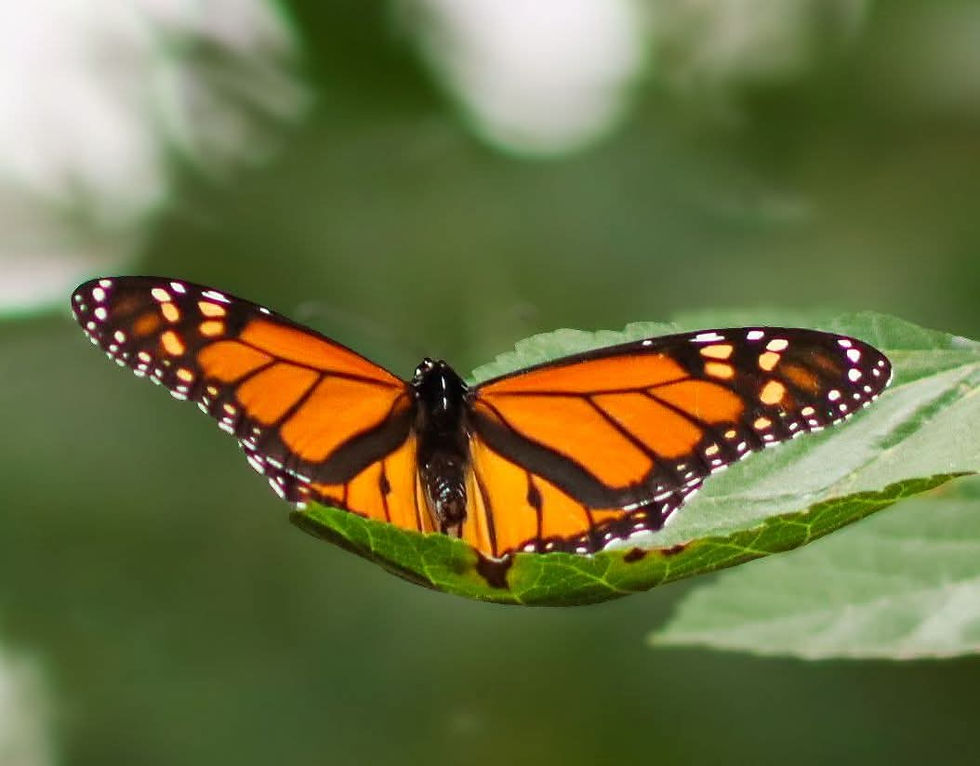
I want them to know when the first wildflowers usually start blooming and which places the butterflies return to every summer.
I want them to recognize how different the woods feel in each season.
The same trail can be bright and green in June, covered in leaves in October, and completely open to the sky once winter comes.
You don’t really notice those changes when you only visit a place once.
You notice them when you keep coming back.
That kind of connection takes time.
It’s built through ordinary afternoons outside, walking the same trails, playing in the same yard, and watching familiar places change.
My kids may not always know the name of what they’re looking at, but they remember where they found it.
They remember the tree they like to climb, the spot where they saw a frog, or the patch of flowers where there were so many butterflies they couldn’t decide which one to watch.
I don’t need every walk outside to become a lesson.
I don’t stop to explain every plant, insect, or piece of soil we pass.
Sometimes we look something up, but sometimes we don’t.
A lot of the time, they just find something interesting, show it to me, and then run off to whatever catches their attention next.
I think simply noticing is important on its own.
There are so many small things happening around us that are easy to miss when we’re in a hurry.
A spider building a web along the porch.
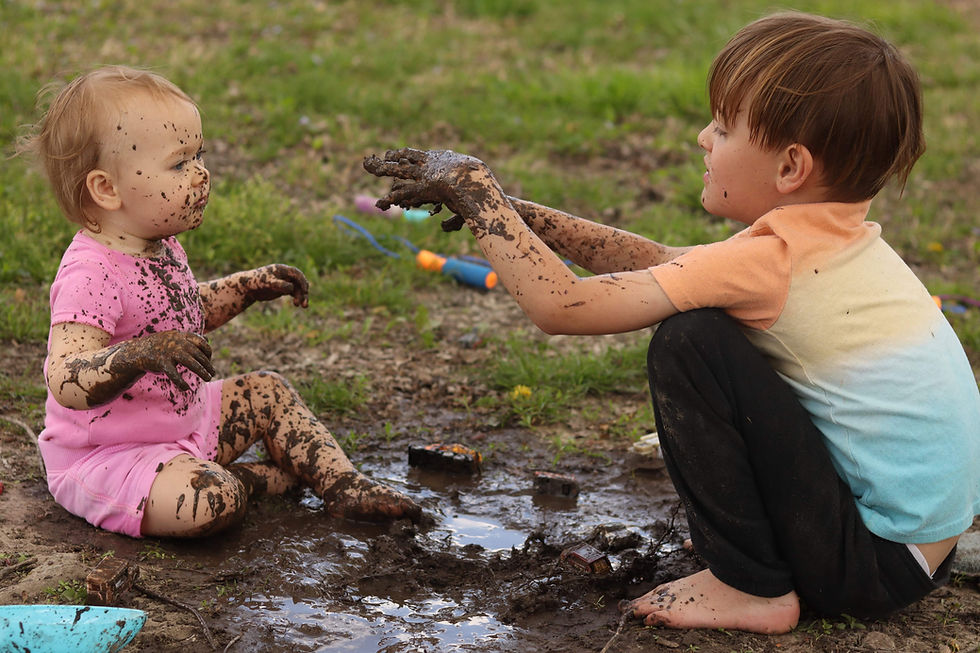
Tiny tracks in the mud.
A bird carrying grass back to its nest.
A plant coming up in the same place it did last spring.
None of those things seem especially important at first, but together they’re part of what makes a place feel familiar.
I want my children to understand that every plant, animal, insect, and patch of soil has a place, even when we don’t immediately understand why it matters.
The dead tree on the ground may look like something that needs cleaned up, but it might also be shelter for insects, fungi, and small animals.
The weeds growing near the edge of the yard may be feeding bees and butterflies.
Even a muddy, overgrown area can be important to something living there.
I don’t want them to grow up thinking nature is only found in forests, parks, or places we have to drive to. It’s right outside our door.
It’s in the soil under the yard, the birds in the trees, the rain running along the road, and the insects living under old leaves.
We’re surrounded by it every day, whether we stop to notice or not.
The more familiar a place becomes, the easier it is to notice when something changes.
You remember where the flowers used to grow or where the frogs were always loud after a rain.
You notice when a tree is gone or when a place that used to be full of life suddenly feels quiet.
That’s where I think responsibility really begins.
I can tell my kids they should care about the environment, but those words won’t mean nearly as much as having places they actually care about.
It’s different when the land isn’t just an idea.
It’s the creek they’ve played beside, the woods they’ve walked through, or the patch of grass where they’ve spent whole afternoons looking for bugs.
When you know a place, caring for it feels personal.
I want them to be grateful for what the land gives us, but I also want them to understand that we’re responsible for how we treat it.
Picking up trash, leaving wildlife alone, protecting soil and water, or making room for pollinators may seem like small things, but they’re all part of living in a place instead of only taking from it.
I don’t expect my children to remember every walk we took or know the name of everything they found.
I just hope they carry the habit of noticing with them.
I hope they grow up paying attention to the places around them and understanding that they’re part of those places too.
Mostly, I hope they know the land well enough to love it.
Not because someone told them they should, but because it feels familiar.
Because they’ve watched it change, played in it, learned from it, and made memories there.
When we know a place that way, gratitude comes naturally. So does the desire to take care of it.


Comments